
How to Prepare Your Lawn for Spring 2026
Most homeowners think of January as “downtime” for the yard. The grass isn’t growing, plants look bare, and you might assume you can ignore the landscape until warmer weather returns. But the truth is: January is when spring success for your lawn starts. What you do now can determine whether your lawn wakes up thick, green, and healthy, or thin, patchy, and weed-filled.
Join the Wake Forest landscaping team at Turf TitanZ as we share our step-by-step guide to preparing your lawn for Spring 2026.
Table of Contents
Why Winter Lawn Prep Matters
When plants and turf go dormant, everything that matters most shifts below the surface. Roots are still active, soil chemistry still affects nutrient uptake, and insects and diseases don’t disappear, they just go quiet.
Winter lawn care isn’t about forcing results you can see right away. It’s about removing obstacles before spring growth begins. In our experience as a residential landscape company serving Wake Forest and nearby communities like Youngsville, Rolesville, and North Raleigh, the lawns that struggle most in March and April are usually the ones that skipped winter prep entirely.
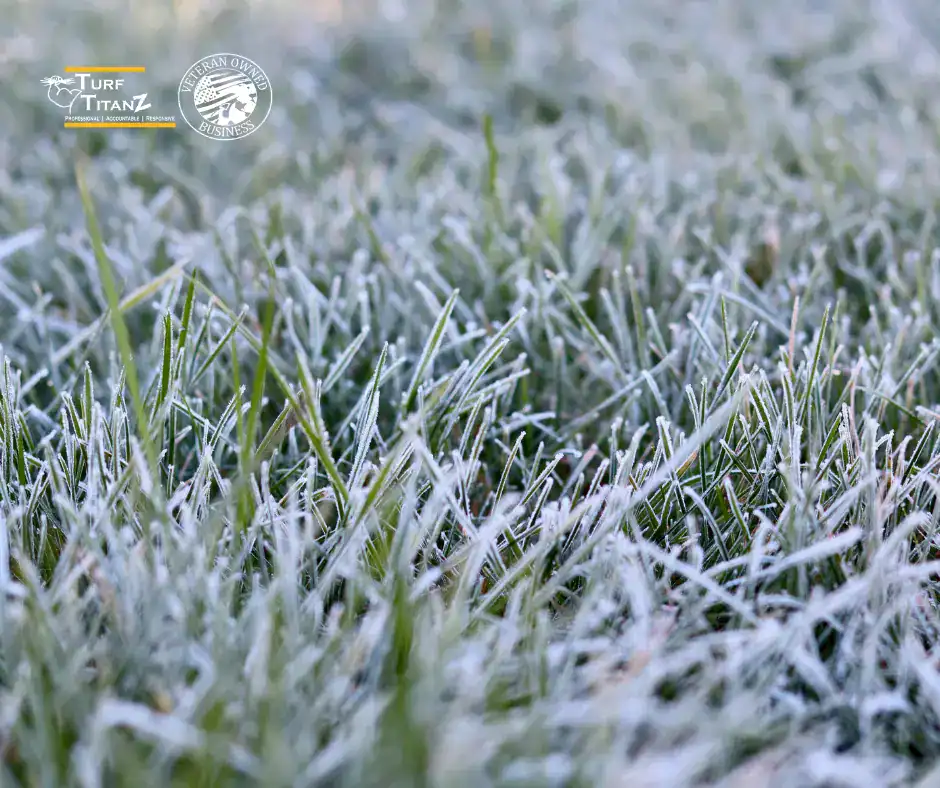
Homeowners who put in a little winter care usually see the payoff in spring, including:
- Lawns that wake up quicker once the weather warms up
- Fewer weeds taking over early
- Plants that look healthier and recover better
- Less scrambling to fix issues later
| Winter Lawn Prep Action | What It Addresses Now | How It Helps In Spring |
|---|---|---|
| Winter Pruning (Dormant Plants) | Removes weak, damaged, or poorly structured growth while plants are dormant. | Promotes healthier branching and reduces stress once plants begin actively growing. |
| Mulch or Pine Straw Refresh | Insulates soil and stabilizes moisture during winter temperature swings. | Protects root systems and leaves beds in better condition for spring growth. |
| Soil Support for Warm-Season Lawns | Addresses soil pH and nutrient availability before turf resumes active growth. | Supports more even spring green-up and stronger early root development. |
| Winter Weed Control | Stops weeds that establish quietly during cooler months. | Results in fewer weeds competing with turf during spring green-up. |
| Preventative Tick and Insect Control | Reduces overwintering pest populations near wooded areas and fence lines. | Limits early-season tick and flea activity and reduces reactive treatments later. |
| Dormant Plant Health Treatments | Targets overwintering insect eggs before they hatch. | Helps protect buds and foliage from early-season pest damage. |
| Proactive Professional Planning | Evaluates turf, soil, plants, and pest pressure together during the off-season. | Creates a smoother spring transition with fewer last-minute corrections. |
Step 1: Use Winter Pruning to Reset Your Landscape
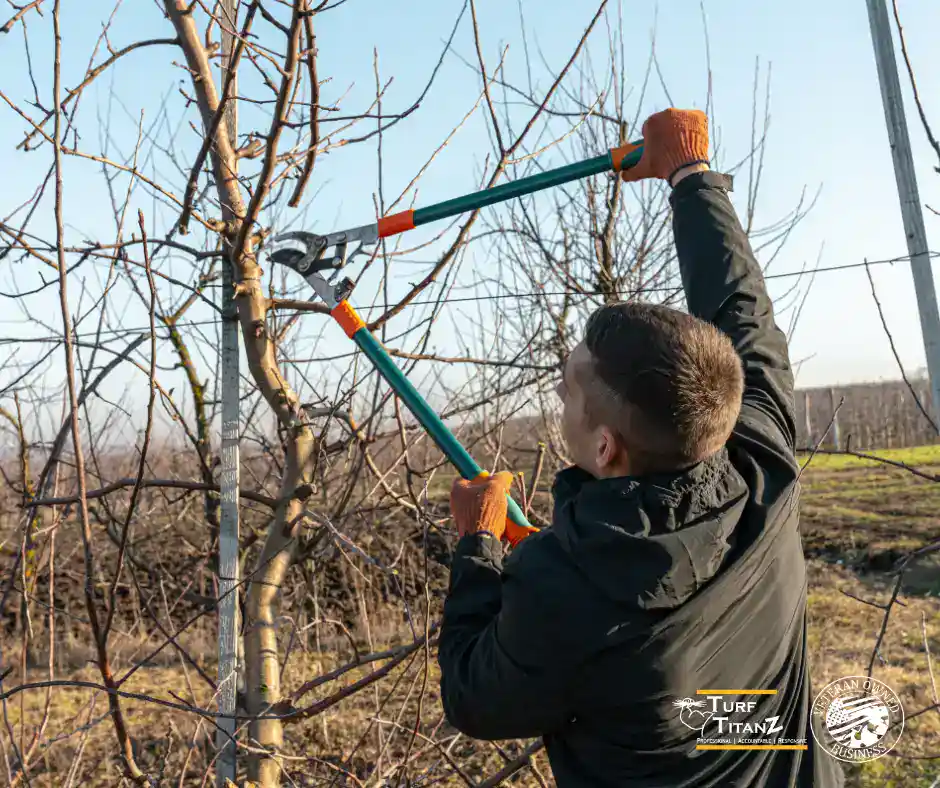
Winter pruning is one of the most valuable things you can do in January because plants are dormant and not actively responding to cuts. Without foliage in the way, it’s much easier to see structural problems: weak limbs, poor branching, or growth that will cause issues later in the year.
One mistake homeowners often make is waiting until spring to prune, when plants are already pushing new growth. At that point, pruning can stress the plant or remove buds that would have produced flowers. Winter pruning avoids that problem and gives plants a clean slate going into the growing season.
Plants That Are Commonly Pruned in Winter
- Hydrangeas
- Knockout roses
- Ornamental grasses
- Ornamental trees
Step 2: Refresh Mulch or Pine Straw to Protect Root Zones
Fresh mulch or pine straw is often thought of as a cosmetic upgrade, but in winter it plays a much more practical role. Exposed soil is vulnerable to temperature swings, drying winds, and frost, all of which stress plant roots even when plants appear dormant above ground.
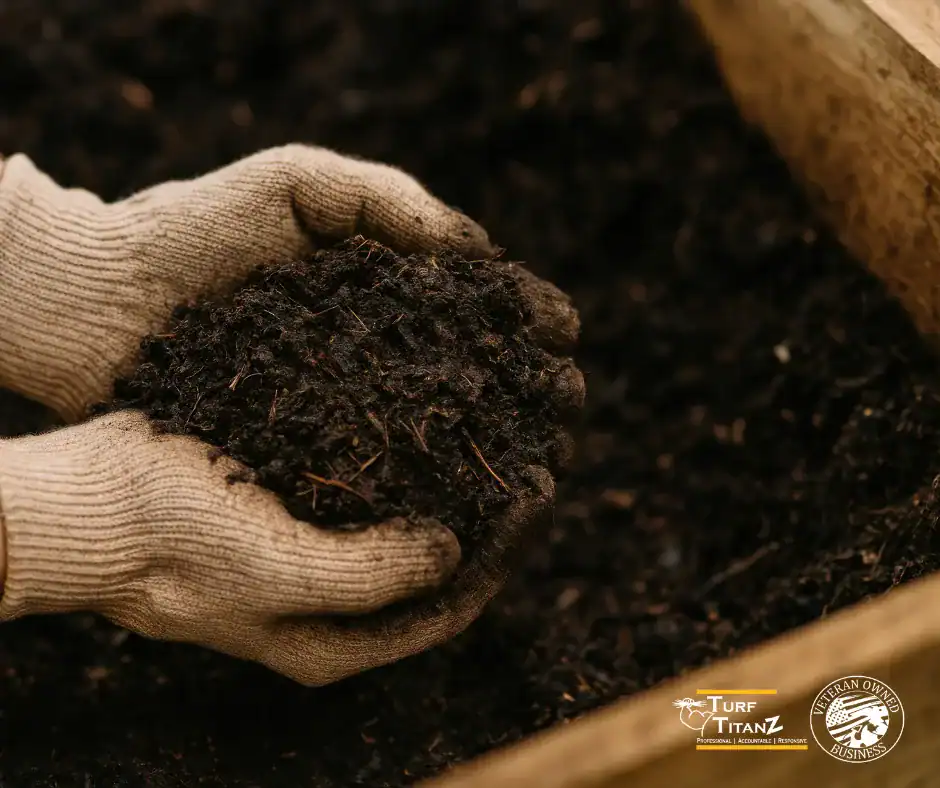
One thing our Wake Forest lawn care experts commonly notice in late winter is shallow root damage caused by inconsistent soil temperatures. A fresh layer of mulch or pine straw helps insulate root zones and stabilize moisture levels during colder, drier stretches of weather.
Why Mulching in Winter Matters Beyond Appearance
- Protects roots when temperatures fluctuate
- Holds moisture in the soil
- Helps keep soil in place during winter rain
- Leaves beds in better shape for spring
Step 3: Prepare Warm-Season Lawns With Soil Support
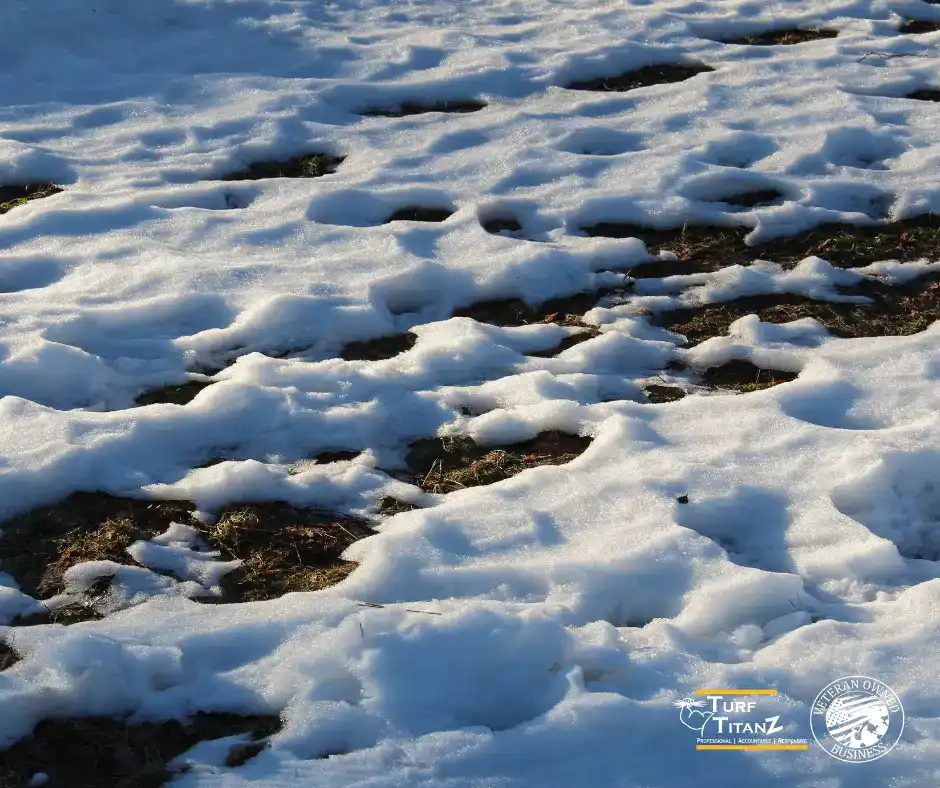
Warm-season lawns may look dormant in January, but soil conditions still play a major role in how well turf performs once growth resumes. Winter is often the best window to address soil issues because there’s time to correct imbalances before spring begins.
A common example of this is soil pH. If pH is off, nutrients applied in spring may not be absorbed efficiently. This can lead to uneven color or weak growth. Winter lime applications are often used to correct this early, rather than trying to fix problems after your turf is already under stress.
What Early Soil Prep Prevents
- Patchy or delayed spring green-up
- Inefficient fertilizer uptake
- Weak early root development
Step 4: Control Winter Weeds Before They Take Over
Winter weed control isn’t about making the lawn look perfect now, it’s about preventing avoidable problems later. Broadleaf and grassy weeds don’t suddenly appear in spring, most of them establish quietly during the cooler months. In winter, they’re easy to overlook because growth is slow and turf isn’t actively filling in. By the time weeds are obvious in early spring, they’ve already claimed space, nutrients, and sunlight that grass needs to rebound.
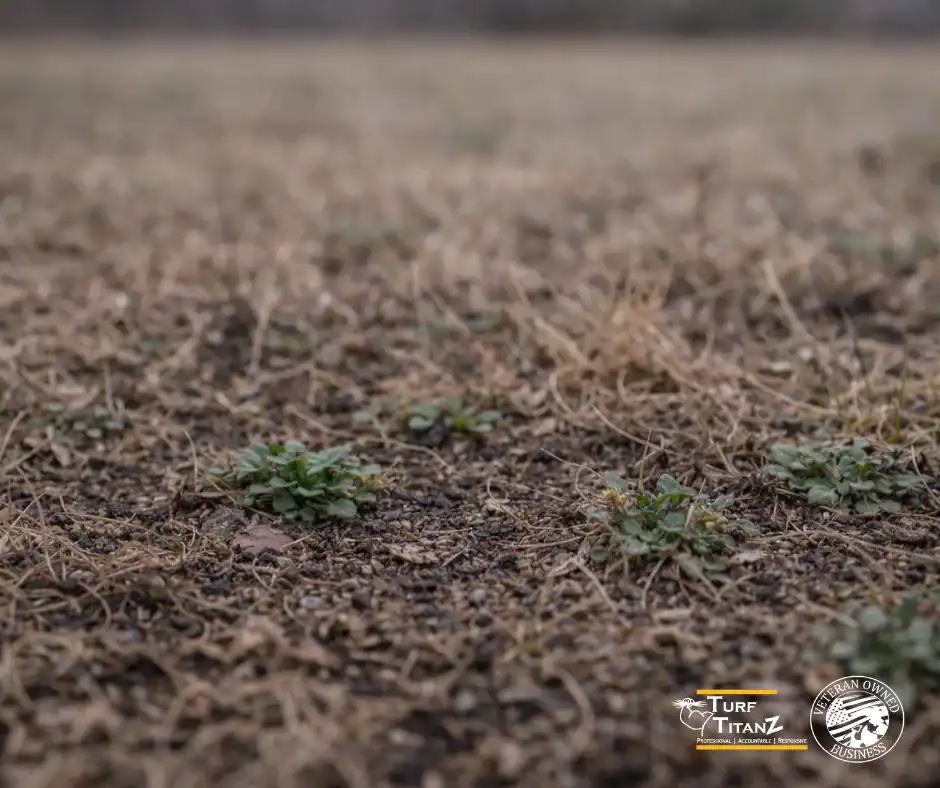
This is something our landscaping experts at Turf TitanZ see every year: spring weed issues that actually started in winter. Addressing weeds early interrupts their life cycle before turf begins actively growing, which reduces stress on the lawn and limits how aggressive treatments need to be later.
Benefits of Early Weed Management
- Fewer weeds during spring green-up
- Thicker, more consistent turf
- Reduced need for stronger treatments later
Step 5: Apply Preventative Tick and Insect Control
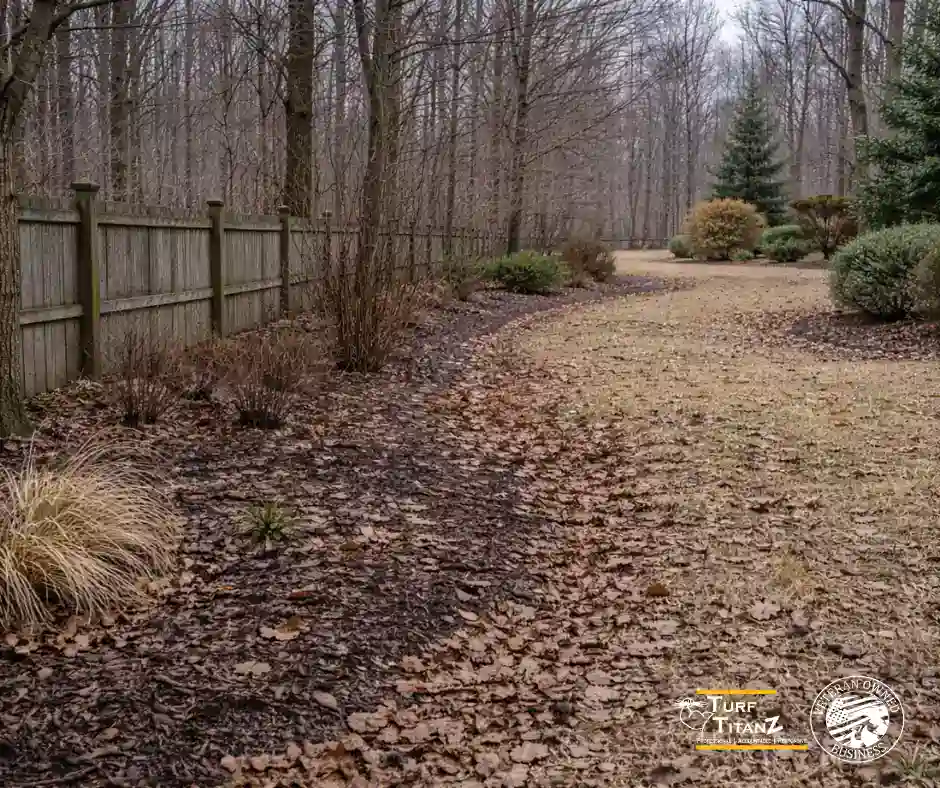
Ticks and fleas don’t disappear in winter, they overwinter in protected areas of the landscape and lay the groundwork for spring populations. Properties near wooded areas, fence lines, or dense landscaping are especially prone to early infestations.
Preventative winter landscaping treatments focus on reducing pressure before insects become active. This is much easier than reacting once pests are already present, especially for homeowners with pets or children using who use the yard on a regular basis.
Why Winter Prevention Makes a Difference
- Reduces early-season tick and flea activity
- Helps protect pets and family members
- Limits the need for reactive treatments later
Step 6: Protect Shrubs and Ornamentals With a Plant Health Program
One of the most effective winter treatments for your lawn is a plant health application using dormant oil. This treatment targets overwintering insect eggs, stopping pests before they hatch and begin feeding on new growth.
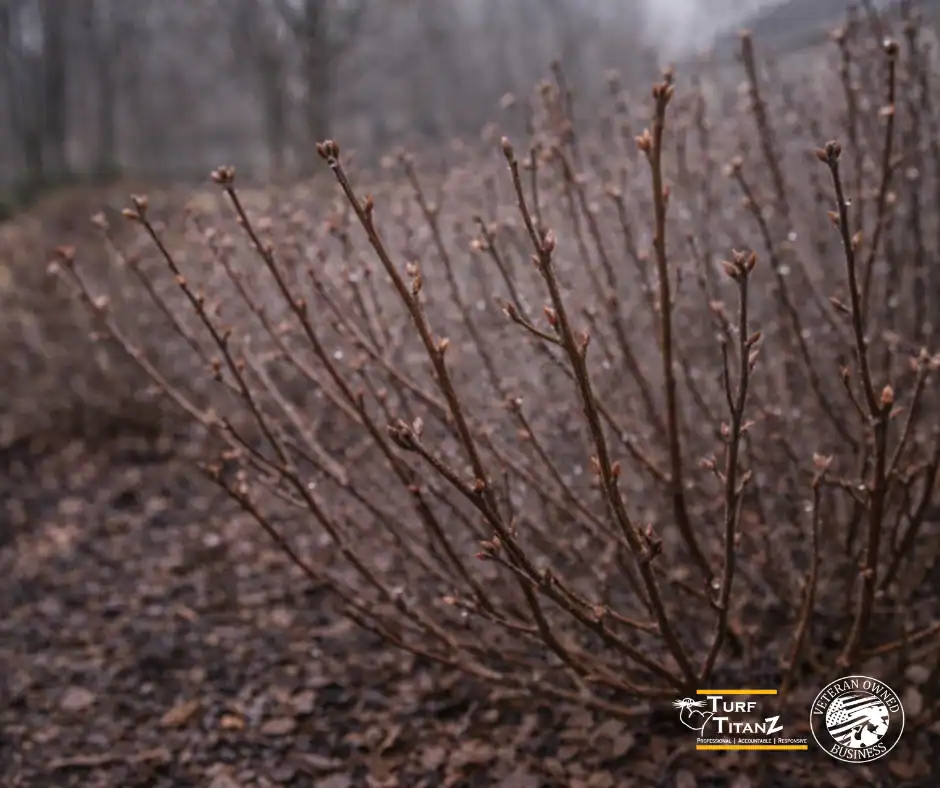
Benefits of Winter Plant Health Treatments
- Prevents early-season pest damage
- Supports healthier buds and foliage
- Reduces reliance on stronger treatments later
Step 7: Know When to Call a Professional and Build a Proactive Plan
Many winter lawn and landscape services require proper timing, technique, and product selection. Mistakes made now, such as improper pruning, incorrect lawn fertilization applications, or missed preventative treatments, can affect lawn and plant health for the entire year.
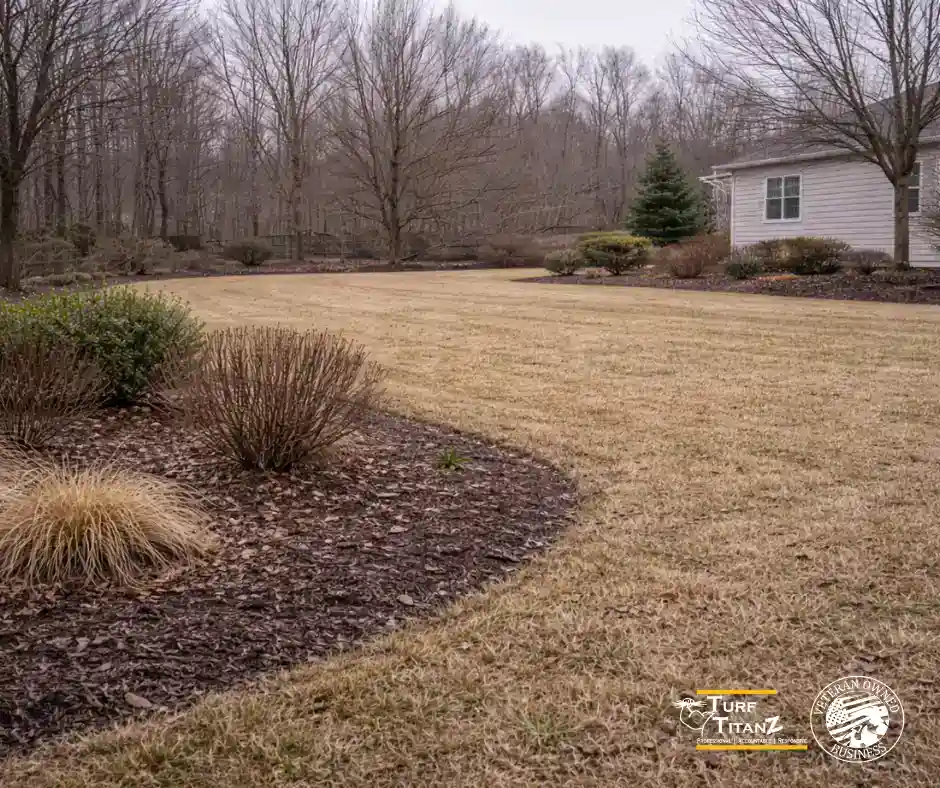
Winter is the ideal time to involve a professional lawn care service provider because there’s room to plan, evaluate, and correct issues before spring growth begins.
When Homeowners Benefit From Professional Help
You may want expert support if:
- You’re unsure how or when to prune
- Weeds or insects were a problem last year
- Turf health has been inconsistent
- You want to avoid reactive spring fixes
How Turf TitanZ Helps Prepare Your Lawn for Spring 2026
- Treats winter as a strategic planning season, not downtime
- Evaluates turf, soil health, plant conditions, and pest pressure together, not as isolated issues
- Builds custom winter-to-spring care plans based on each property’s unique needs
- Provides essential winter services, including:
- Winter pruning
- Mulch and pine straw refresh
- Turf treatments and soil conditioning
- Weed control
- Preventative insect control
- Plant health programs
- Helps homeowners move into spring prepared, confident, and ahead of seasonal demand
Get Your Wake County Lawn Ready for Spring 2026
Preparing your lawn for spring doesn’t start when the grass turns green, it starts months earlier with smart, strategic winter care. From pruning and soil preparation to weed control, insect prevention, and plant health treatments, the steps you take now can make the difference between a stressful spring and a smooth, successful growing season.
If you’re unsure where to start or want a proactive plan tailored to your property, the Turf TitanZ team is here to help. Our Wake Forest lawn care sets your lawn and landscape up for long-term health, not short-term fixes.
Contact Turf TitanZ today by calling (919) 562-0771 or filling out our online contact form below to learn more about winter lawn care services and how to prepare your property for Spring 2026.
Contact Form
We would love to hear from you! Please fill out this form and we will get back to you shortly.